

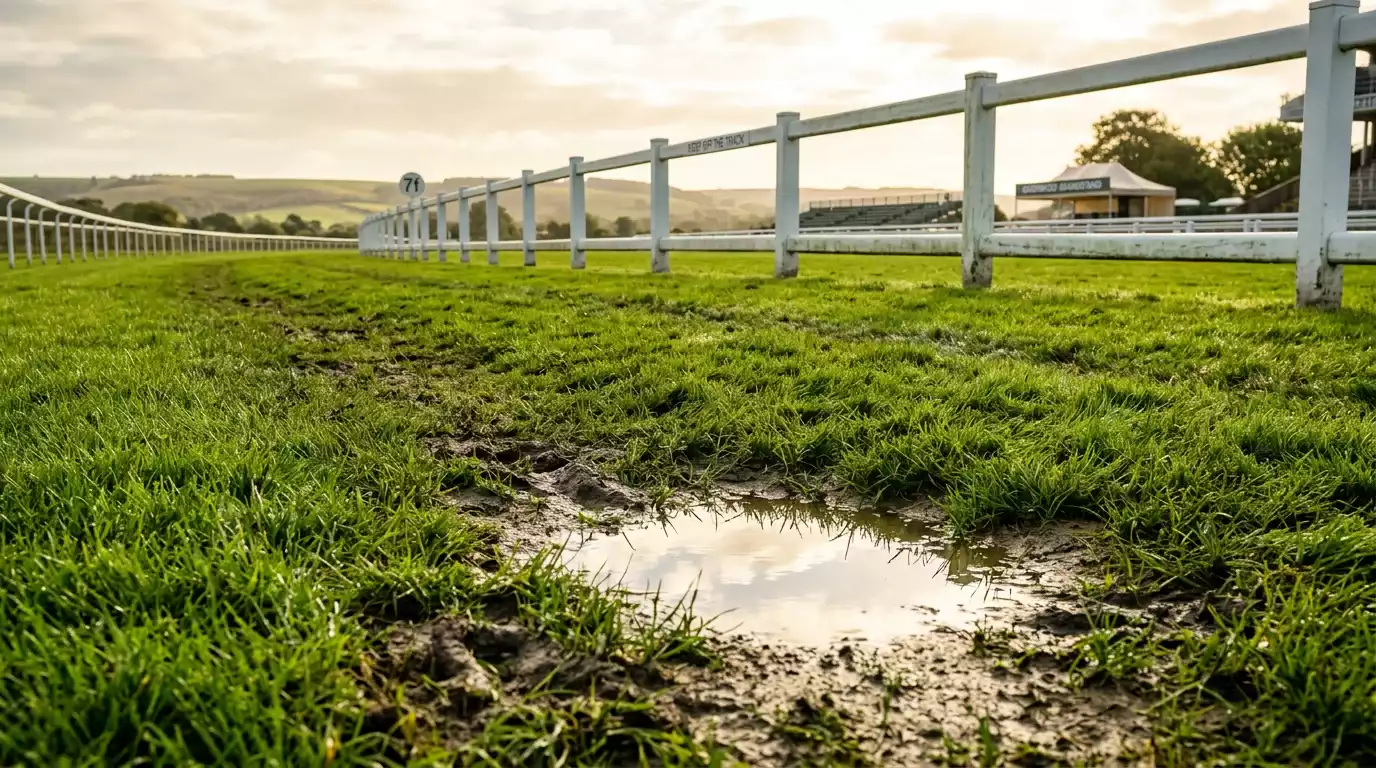
The morning inspection changed the going from Good to Soft. My original selection – a horse that needed fast ground – suddenly faced conditions that would blunt its finishing speed. Another horse in the field, previously dismissed as a moderate stayer, transformed into a live place contender with conditions now in its favour. Going changes create betting opportunities that reactive analysis captures.
Ground conditions influence horse racing more dramatically than many punters appreciate. Some horses improve multiple lengths when conditions suit; others regress equally dramatically when they don’t. For place bettors, understanding going preferences and recognising when conditions shift creates analytical edge that goes beyond basic form reading.
The UK’s variable climate means going conditions change frequently – sometimes during a meeting itself. This variability creates a dynamic environment where place probabilities shift in response to weather patterns. Bettors who monitor and respond to these shifts gain advantage over those who set positions and ignore subsequent developments.
Going Descriptions Explained
UK racing uses a standardised going scale from Hard (fastest) to Heavy (slowest), with several gradations between. Understanding what each term means for race dynamics helps you assess how conditions affect different horses.
Hard and Firm ground rarely features except during exceptional dry spells. These conditions favour horses with quick, economical actions who can cover ground efficiently. Jarring on firm surfaces concerns connections of certain horses, leading to withdrawals that reshape fields. Place betting on declared runners with proven firm-ground records captures value when others withdraw.
Good to Firm and Good represent the middle ground where most horses act competently. These conditions minimise the impact of going preference, putting the race more purely on merit and form. Place betting decisions in these conditions rely more heavily on other factors than going-specific analysis.
Good to Soft and Soft conditions favour horses with stamina and the ability to handle tackier surfaces. The ground takes more out of horses, leading to more attrition and longer distances between finishers. Place probability for horses that stay well and handle cut increases; speed-dependent types face frame-threatening conditions.
Heavy ground transforms races dramatically. Stamina becomes paramount; horses not suited to testing conditions empty out of contention. Fields thin through non-runners as trainers protect horses from demanding surfaces. Place betting in heavy ground focuses on proven mudlarks and staying types while avoiding anything with ground-preference concerns.
Assessing Going Preferences
Going preference shows clearly in form for those who look carefully. A horse with form figures of 2312 on Good or faster and 0050 on Soft tells an obvious story. More subtle gradations – a horse that excels on Good to Soft but struggles when it turns Soft – require closer attention to spot.
Career statistics filtered by going provide objective evidence. A horse with 45% place strike rate on Good and 15% on Soft has a demonstrable preference regardless of what connections might claim. Let the data speak rather than relying on reported preferences that might reflect optimism rather than observation.
Pedigree offers clues about likely going preference before a horse establishes its own record. Certain sires consistently produce offspring that handle soft ground; others stamp their stock with speed that needs faster surfaces. Using pedigree to assess going aptitude helps with unexposed horses lacking extensive form.
Physical characteristics sometimes indicate going preference. Horses with low, economical actions typically prefer faster ground. Those with higher knee action and stamina-oriented frames often handle cut better. These aren’t absolute rules, but they provide supporting evidence when assessing horses you haven’t seen run.
Course characteristics interact with going. Some tracks drain well and ride faster than the official description suggests; others hold moisture and ride testing even when described as Good. Learning which courses have particular going characteristics refines your assessment beyond official classifications.
Weather and Going Changes
Monitoring weather forecasts helps you anticipate going changes before they happen. Heavy rain overnight will ease ground; sustained dry weather will quicken it. Positioning your analysis to respond to likely changes rather than reacting after official updates provides timing advantage.
Going changes during a meeting affect different races differently depending on track usage and watering. The first race runs on fresher ground than the last. The favoured racing line gets cut up as the day progresses. Place probability for particular running styles shifts as conditions evolve through the card.
Official going reports update at specific times – typically morning inspection and again closer to racing. Prices may not fully reflect these updates immediately, creating windows where reassessed place probabilities diverge from market prices. Quick response to official changes can capture value before markets adjust.
On-course reports from connections, jockeys returning from early races, and course officials provide ground-level intelligence that supplements official descriptions. Following racing media during a meeting helps you stay ahead of evolving conditions that affect place betting decisions.
Non-runner patterns after going changes reveal information about horse preferences. When a stable withdraws its representative after overnight rain, that horse probably needs better ground than today offers. Conversely, horses who remain declared after going changes were presumably expected to handle the new conditions. These withdrawal patterns provide implicit information about remaining runners.
FAQ
Integrating Going Into Place Betting
Going analysis adds a dynamic layer to place betting that static form reading misses. Conditions change; horses that looked moderate on yesterday’s ground might excel on today’s. Building going assessment into your analytical process captures value that punters relying solely on recent form overlook.
Develop going-specific watchlists for different conditions. Know which horses in your target fields benefit from rain and which need the ground to dry out. When conditions shift, you’ll have immediate candidates rather than needing to analyse from scratch under time pressure.
The interaction between going and draw on certain Flat courses adds complexity worth understanding. Soft ground might shift the advantage from high to low draws on tracks where drainage patterns vary. Building this course-specific knowledge takes time but creates genuine analytical edge over punters who treat going as a standalone factor.
Keep detailed records of how going changes affected your betting results. Were your going assessments accurate? Did rain-affected days produce better or worse results than good-ground days? This performance tracking by conditions reveals whether going analysis is adding value to your approach or simply adding complexity.
For the comprehensive strategic framework that going analysis feeds into, see our detailed place betting strategy guide.
Articles
Published by the placebethorseracinguk.com team.
